


How to Teach Empathy to Toddlers Effectively


Understanding Empathy in Toddlers
Empathy is the ability to understand and share the feelings of others. For toddlers, developing empathy is a gradual process that begins with recognizing their own emotions. At this stage, it's essential to help toddlers understand emotions by labeling feelings as they occur. For example, saying "I see you're sad because the toy broke" helps toddlers connect emotions with experiences. This foundational understanding is crucial for later stages where they learn to empathize with others.
To teach empathy to toddlers, it's important to model empathetic behaviour yourself. If they see you being kind and considerate, they'll learn to reflect these actions in their interactions.
An effective way to reinforce this is through daily routines. When a toddler sees a parent tend to a crying sibling, explaining the situation and offering comfort, it illustrates empathy in action. Encourage toddlers to mirror this behaviour by having them offer a comforting pat or a kind word to their peers. This modeling helps toddlers understand the importance of empathy in everyday situations and builds a foundation for emotional stability.
The Role of Play in Emotional Learning
Play is a powerful tool in teaching empathy to toddlers. Through imaginative play, toddlers explore different scenarios and emotions. Role-playing games with toys or puppets allow them to experiment with feelings like happiness, sadness and anger in a safe environment. By engaging in these activities, toddlers can see the world from another's perspective, which is a critical step in nurturing empathy. For instance, a simple puppet show where a puppet is sad and another offers comfort can teach toddlers the importance of being there for someone in need.
Consider setting up a "feelings corner" with puppets and costumes that children can use to act out different emotional scenarios. This encourages them to explore various emotions and responses, fostering a deeper understanding of empathy in a controlled, supportive environment. Additionally, group play activities can further develop these skills by encouraging toddlers to work together and understand each other's feelings.
Storytelling as a Tool for Empathy
Stories are a wonderful medium to teach empathy to toddlers. Reading books that focus on emotions and relationships introduces them to diverse characters and situations. Discussing the characters' feelings and actions helps toddlers understand emotional stability by identifying what emotions arise and why. It encourages them to think about how they might feel in similar situations, fostering a deeper sense of empathy. Choose stories that are relatable and ask questions like "How do you think the character feels?" to encourage toddlers to think deeply about emotions.
A practical tip is to create a storybook club at home where each week you explore a new book focused on different emotions. After reading, engage your child with questions about the characters’ feelings and what they might do to help if they were in the story. This practice not only enhances their empathy but also strengthens their cognitive and language skills.
Encouraging Emotional Expression
Creating an environment where toddlers feel safe to express their emotions is fundamental. Encourage them to talk about their feelings and validate their emotions without judgment. Use phrases like "It's okay to feel angry" or "I understand you're upset." This acceptance helps toddlers learn that all emotions are valid and manageable, contributing to their emotional stability. Additionally, teach empathy to toddlers by actively listening to them and acknowledging their feelings, which helps them feel understood and valued.
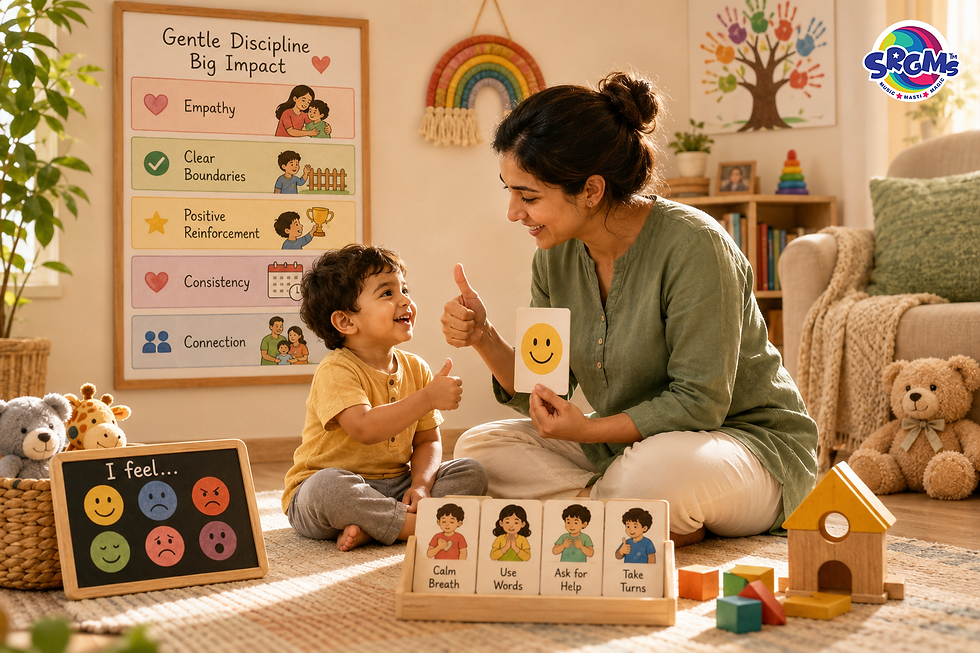
Introduce a "feelings chart" where children can place stickers on how they feel each day. This visual representation allows them to express emotions non-verbally and provides a conversation starter for discussing their feelings. It also helps parents and caregivers track emotional patterns and address any issues early on.
Building Empathy Through Everyday Interactions
Everyday interactions provide ample opportunities to nurture empathy. Encourage toddlers to help with simple tasks like setting the table or comforting a friend who is upset. These actions teach them about kindness and consideration. Praise their efforts when they show concern for others, reinforcing positive behavior and helping them associate empathy with positive outcomes. Practically, you can involve them in tasks like making a get-well card for a sick friend, which teaches them the importance of caring for others.
Organise small group activities where children work together on a project, such as building a tower from blocks. This not only develops teamwork but also encourages them to understand and assist each other, strengthening empathetic bonds. It's through these shared experiences that toddlers learn the value of empathy and cooperation.
How to Teach Empathy to Toddlers
Teaching empathy to toddlers involves consistent and intentional practices. Regularly include activities that encourage toddlers to identify and express emotions. Use songs that talk about feelings and have conversations about emotions in everyday situations. This consistent exposure helps toddlers learn to connect with others emotionally and develop empathy as a natural part of their interactions.
Incorporate empathy-focused games into their routine, such as "emotion charades" where toddlers guess the emotion being acted out. This not only makes learning fun but also reinforces their understanding of different feelings and how to respond to them. Games like these can be a joyful way to integrate emotional learning into their daily lives.
The SRGMs Approach
At the SRGMs, we believe in nurturing empathy through joyful, emotionally engaged experiences. Our music, storytelling and movement-based activities are designed to help children connect with their feelings and those of others. We aim to create a world where empathy grows naturally through play and interaction. Every song, story and experience invites children to understand and share emotions.
Frequently Asked Questions
How can I teach empathy to my toddler?
Engage your toddler in play and storytelling that involves different emotions and perspectives.
Why is emotional stability important for toddlers?
Emotional stability helps toddlers manage their feelings and build healthy relationships.
What activities help toddlers understand emotions?
Role-playing, storytelling and interactive games are great for exploring emotions.
How do I encourage my toddler to express emotions?
Create a safe space for expression and validate their feelings with understanding and support.
Can music help in teaching empathy?
Yes, music can evoke emotions and teach toddlers to connect with their own and others' feelings.
Final Thought
Play. Stories. Emotions. Empathy. These elements are key to nurturing emotional stability in toddlers. By providing a supportive environment and engaging activities, we can help toddlers grow into empathetic individuals who understand and value the feelings of others.


Comments