


Diwali Activities for Preschoolers: Beyond the Lights

Diwali activities for preschoolers don't need to begin with mythology lessons, complicated explanations or elaborate crafts. Sometimes, the most meaningful introduction to India's biggest festival begins with a child asking a simple question: "Why are we putting lights everywhere?"

For adults, Diwali carries generations of memories. The smell of festive food, the excitement of new clothes, homes glowing with diyas, relatives arriving and families gathering to celebrate.
For a three-year-old, however, Diwali is an entirely different experience.
It's the sparkle of a diya. The sound of laughter. A colourful rangoli. A special sweet. Lots of guests and family come home. The excitement of staying awake a little longer.
And that's exactly where the magic lies.
What if, instead of trying to explain everything about Diwali, we helped children discover what makes it special?
Here are some simple, imaginative ways to turn Diwali into a festival that toddlers and preschoolers can genuinely understand, enjoy and remember.
1. Diwali Activities for Preschoolers: Start With Wonder
Imagine explaining Christmas to a three-year-old using only a long account of its religious origins.
You could do it, of course. But chances are, the child would be more interested in the sparkling tree, the presents, the songs and the excitement around them.
Diwali is no different.
Young children experience festivals primarily through their senses, emotions and interactions with the people around them. They notice what changes in their environment and how those changes make everyone feel.
Rather than beginning with a lengthy explanation, follow their curiosity.
When your child notices a diya, talk about its warm glow. When they see a rangoli, ask which colours they recognise. When they hear festive music, invite them to clap along.
Try questions such as:
"Why do you think everyone is decorating their homes?"
"Can you find three different colours in this rangoli?"
"What makes our home feel special today?"
"Who would you like to share a Diwali sweet with?"
There are no complicated answers required.
The purpose is to encourage observation, conversation and connection.
For a preschooler, understanding Diwali doesn't have to mean memorising its history. It can begin with recognising that this is a special time when families come together, homes look beautiful and people share happiness.
That's a meaningful introduction in itself.
2. Tell Little Diwali Stories That Children Can Relate To
Stories are wonderful vehicles for introducing festivals to young children. But not every Diwali story needs to be a retelling of the Ramayana.
India's Diwali traditions are wonderfully diverse. Different communities associate the festival with different stories, beliefs and celebrations.
Alongside these traditional narratives, parents can create simple, everyday stories that explore the emotions children understand best.
For example:
The Little Diya Who Was Afraid of the Dark
A tiny diya worries that its light isn't bright enough. But when it joins other diyas, the whole courtyard begins to glow.
A gentle story about belonging and how small contributions matter.
The Rangoli That Lost Its Colours
A colourful rangoli wakes up one morning to discover that all its colours have disappeared. A group of children sets out to find them in flowers, fruits, clothes and the world around them.
A playful introduction to colours, observation and teamwork.
The Sweet That Wanted to Be Shared
A little laddoo wonders why everyone smiles when sweets are passed around. Eventually, it discovers that sharing makes celebrations more joyful.
A story about generosity without turning it into a lecture.
These are original story ideas rather than traditional Diwali legends.
For preschoolers, the best stories often begin with something familiar and introduce one small emotional discovery.
And when children laugh, predict what happens next or ask to hear a story again, learning is already taking place.
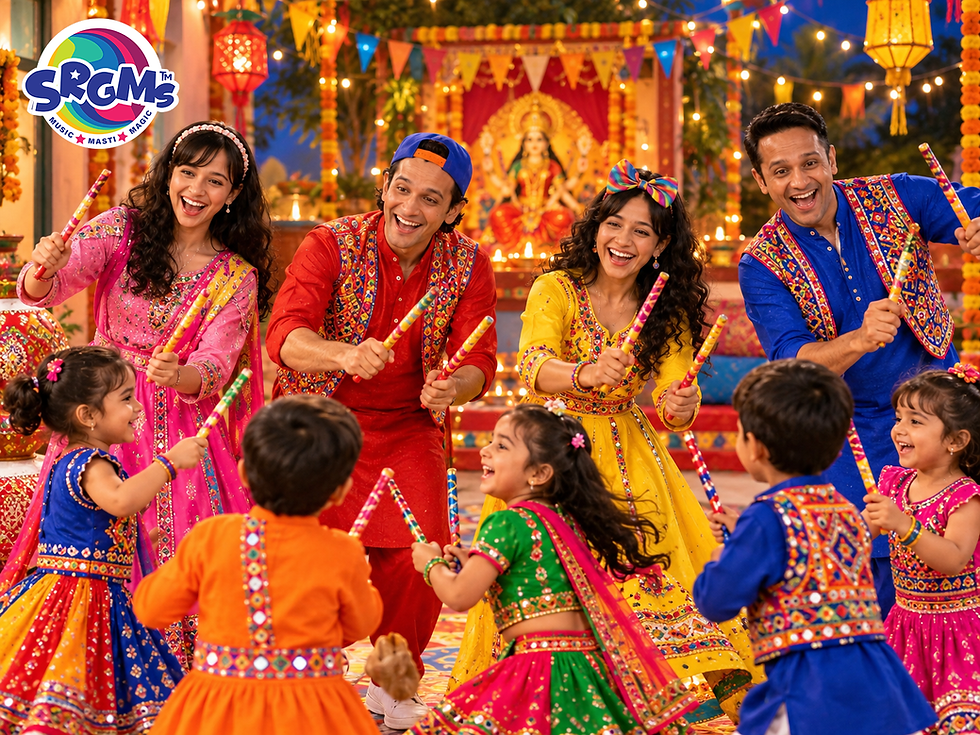
3. Make Music and Movement Part of the Celebration
Think about the festivals you remember from childhood.
Chances are, music features somewhere in those memories.
A song playing while everyone decorated the house. Family members singing together. The rhythm of celebrations unfolding around you.
Music creates emotional connections that can remain with us long after the details of an event have faded.
For young children, it also offers an accessible way to participate.
You don't need formal dance lessons or a perfectly choreographed performance.
Try turning everyday Diwali preparations into musical games:
The Diya Dance: Pretend to be tiny flickering flames, stretching tall and swaying gently.
The Rangoli Rhythm: Clap once for red, twice for yellow and three times for blue.
The Cleaning-Up Song: Turn tidying toys into a playful family singalong.
The Celebration Parade: March around the room with scarves, ribbons or homemade shakers.
The Quiet-Light Game: Move to music, then become completely still when the music stops.
These activities encourage listening, rhythm, coordination and playful participation.
They also remind children that celebrations aren't something they simply watch adults organise.
They can be part of creating the excitement.
The most memorable Diwali music may not come from a loudspeaker. It may come from everyone singing together in the living room.
4. Give Children a Role in the Diwali Preparations
One of the easiest ways to make Diwali meaningful for young children is to let them help prepare for it.
Adults sometimes assume preschoolers are too young to contribute. After all, preparations involve cleaning, decorating, cooking, shopping and organising family gatherings.
But participation doesn't have to mean responsibility.
A child who places flowers in a bowl or chooses where to hang a paper decoration begins to feel that the celebration belongs to them, too.
Here are some simple ways to involve little hands:
Decorating: Let children arrange artificial flowers or paper decorations around the house.
Rangoli making: Use flower petals, large reusable shapes or washable colours to create simple patterns.
Festive greetings: Help children make handmade cards for grandparents, neighbours or friends.
Sweet preparations: Invite children to count ingredients, stir a cooled mixture or decorate treats under supervision.
Choosing clothes: Allow them to select between two comfortable festive outfits.
These experiences naturally introduce counting, colours, patterns, sequencing and fine motor practice.
They also offer opportunities for conversation.
"How many flowers have we used?"
"What should come next in our pattern?"
"Who are we making this card for?"
Keep open flames, hot cooking equipment and small choking hazards out of reach.
Most importantly, don't worry if the decorations aren't perfect.
A slightly crooked toran that your preschooler helped create may become the most treasured decoration in the house.
5. Create Little Diwali Traditions They'll Remember
Diwali is often described as the Festival of Lights, but for children, its deeper meaning may emerge through the traditions they experience with their families.
And those traditions don't have to be elaborate.
A family might light an LED diya together every evening. Another might visit grandparents, deliver homemade sweets to neighbours or spend time decorating the doorway.
The activity itself matters less than the sense of connection surrounding it.
You could introduce a few simple traditions:
The Diwali Memory Box: Keep a photograph, handmade card or little drawing from each year's celebration.
One Light, One Wish: Invite each family member to share something kind they hope to do for someone.
The Family Story Circle: Ask grandparents to describe what Diwali was like when they were children.
The Sharing Basket: Let your child help choose books or toys in good condition to pass on through an appropriate donation programme.
The Diwali Walk: Explore neighbourhood decorations together, noticing colours, patterns and lights.
These small rituals create a sense of continuity.
They also help children understand that festivals aren't only about receiving gifts, wearing new clothes or eating special food.
They're about the people we celebrate with.
There's another important consideration: Diwali can become overwhelming for some preschoolers.
Crowds, disrupted routines, late nights and firecracker noise may be difficult for young children, especially those sensitive to loud sounds.
Protect their sleep, offer quiet breaks and never pressure them to participate.
A happy Diwali doesn't have to be a busy Diwali.
The SRGMs Approach
At the SRGMs, we believe festivals come alive for children through stories, music, movement and joyful participation. Our Diwali story, Diwali's Guiding Light, is another way to introduce little ones to the festival through imagination rather than lengthy explanations.
Explore the story together:
Podcast:
Youtube:
Because the magic of Diwali begins with the light we share.
Frequently Asked Questions
How do you explain Diwali to a preschooler?
Start with familiar experiences such as lights, decorations, family gatherings and sharing sweets. Explain that Diwali is a special festival celebrated in different ways across India, often associated with light, happiness and new beginnings.
What are some easy Diwali activities for preschoolers?
Try flower-petal rangoli, handmade greeting cards, Diwali storytelling, colour-matching games and simple music-and-movement activities. Choose activities that encourage participation rather than perfection.
How can toddlers learn about Diwali without complicated mythology?
Use short, imaginative stories about kindness, sharing, friendship and light. Everyday characters and familiar situations help young children connect with ideas before exploring more complex traditional narratives.
How can I make Diwali enjoyable for a child who dislikes loud noises?
Choose quieter celebrations, avoid exposing children to firecracker noise and provide a comfortable space away from crowds. Gentle music, storytelling and decorating at home can be equally memorable.
Are Diwali activities educational for preschoolers?
Yes. Age-appropriate activities can support colour recognition, counting, language, coordination, creativity and social interaction while introducing children to Indian cultural traditions.
Final Thought
Lights. Stories. Music. Laughter. Togetherness.
Your preschooler may not remember every Diwali tradition you explain this year. But they may remember the song you sang, the rangoli you made together and the joy of being included.
That's how festivals become childhood memories.


Comments